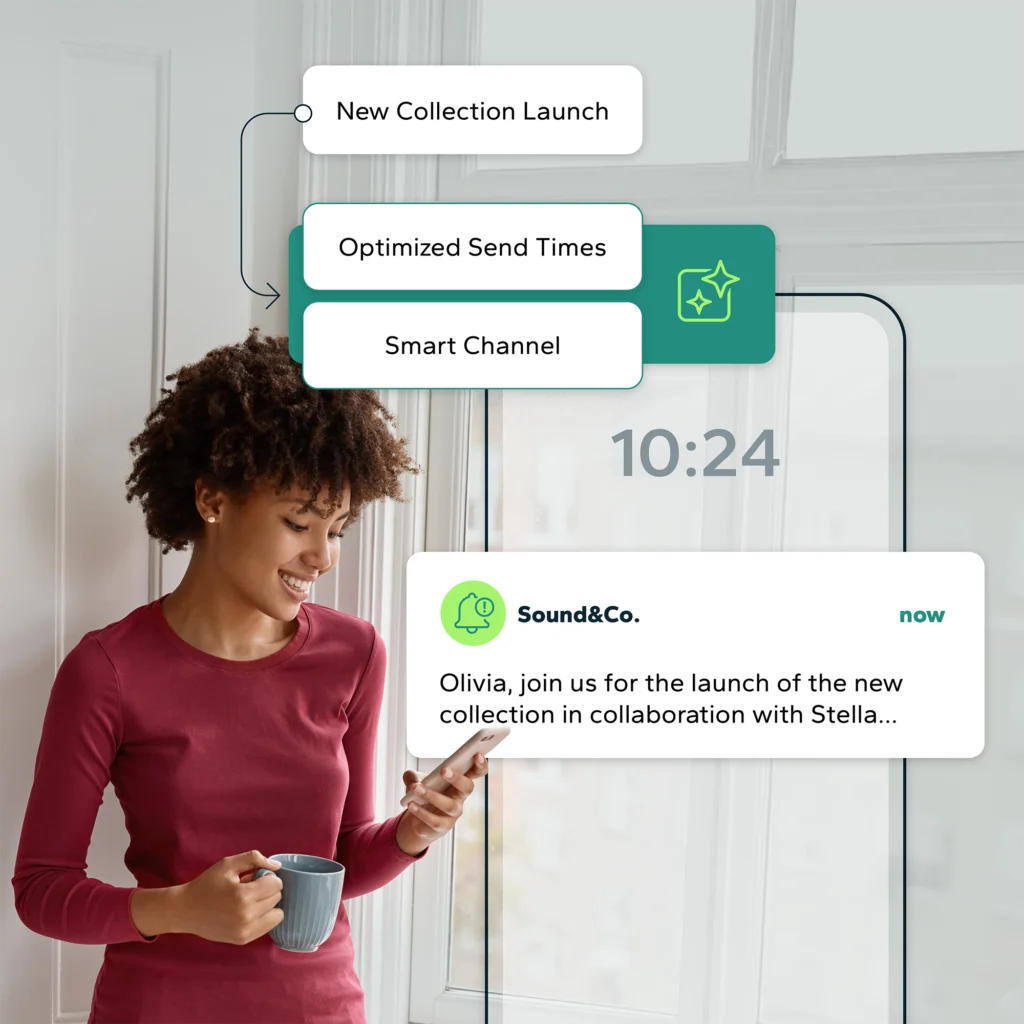
Customer loyalty is not just about points programs or discounts. It is built through every exchange, email, message, and interaction. Many commercial ads target consumers, making them more unpredictable than ever. Today, brands must skillfully stand out to become recommended names rather than quickly forgotten ones. To achieve this, efforts must be directed toward post-purchase communication.
Customer loyalty is not just about points programs or discounts. It is built through every exchange, email, message, and interaction. It’s the art of turning a simple buyer into a true brand ambassador.
Emotion: an underused lever in customer loyalty
Effective communication is not just about clear information or a well-crafted offer: it must evoke emotion. Customers are more likely to connect with a brand that makes them feel something. This could be joy from nice packaging, pride from an ethical purchase, or surprise from a personal birthday message.
Brands that use emotion in their communications significantly enhance customer engagement. For example, Innocent Drinks uses humor and friendliness in all its messages, creating a real connection with its customers.
Acquisition Cost vs. Retention Cost: A Strategic Gap
Acquiring a new customer can cost up to five times more than retaining an existing one. A study from Harvard Business Review shows that increasing customer retention by 5% can boost profits by 25% to 95%.
For big companies that spend millions of euros on marketing each year, keeping customers is very important. It is not just about making money; it is necessary for their success. Investing in better, targeted, and engaging communications helps build customer relationships. It also lowers acquisition costs over time.
Personalization: shifting from mass marketing to individualized relationships
Personalization is no longer a luxury—it’s a basic expectation. Thanks to customer data like purchase history and preferences, we can now create messages that fit each customer perfectly.
A generic email has little impact. A product recommendation based on past purchases or a birthday message with a discount is much more engaging. This approach fosters loyalty by showing the customer they are seen and understood.
Marketing automation tools now make it easy to segment precisely and build high-performing communication scenarios.
Customer loyalty : every communication is an opportunity
Transactional communications—such as order confirmations, shipping notifications, and delivery tracking—are often underestimated. Yet these messages have the highest open rates, averaging between 70% and 90%.
This makes them a golden opportunity to strengthen the customer relationship. A purchase confirmation email, for example, can be personalized to:
• Reaffirm the brand’s values
• Offer tips on how to use the purchased product
• Suggest complementary products
• Encourage joining a loyalty program or customer community
Instead of seeing these communications as just tasks, brands gain a lot by treating them as important connections.
Some brands truly excel in the art of post-purchase communication:
• Sephora uses personalized follow-up emails with product recommendations and high-value beauty content
• Decathlon offers usage tips, tutorials, and invitations to local events after each purchase
• Apple focuses on outstanding customer support—always available and highly efficient—even months after the purchase
These brands know that a loyal customer is more than just someone who buys again. They are ambassadors who recommend the brand, support its values, and help increase its influence.
Customer engagement as a pillar of co-creation
An engaged customer doesn’t just buy—they interact, comment, and share. Some companies go even further by involving their customers in the co-creation of products or services. This is a powerful lever for loyalty.
For example, the clothing brand Le Slip Français regularly invites its community to vote on future collections. As a result, customers feel heard, valued, and become the brand’s top promoters.
Involving customers in decision-making, even in small ways, makes them feel included. This helps create a strong relationship based on trust.
Conversational Marketing: The Key to Lasting Engagement
Today’s consumers expect brands to be available, responsive, and human. Conversational marketing meets these expectations by enabling real-time exchanges through chat, social messaging platforms (WhatsApp, Messenger, etc.), SMS, or intelligent chatbots.
This approach allows brands to:
• Create an ongoing dialogue, even after the purchase
• Respond quickly to questions or issues
• Demonstrate proactivity (“Did you receive your order? Can I help you?”)
A company that builds this kind of relationship shows customers they are not just an order number. They are true partners in an ongoing experience.
Ethics, transparency, and loyalty: a winning trio
Today, customer loyalty also relies on ethical compliance. Consumers are increasingly sensitive to brand commitments—environmental responsibility, production conditions, and price transparency.
Companies that integrate these concerns into their communications naturally reinforce customer engagement. For example, Patagonia shares its environmental efforts. They also encourage customers to fix their clothes instead of buying new ones. A bold but effective strategy: its customers are among the most loyal in the market.
Building Communication Journeys Around the Customer Lifecycle
Long-term loyalty also requires a long-term vision of the customer lifecycle. From the first purchase to renewal, every stage should have support with custom messages. This includes times of inactivity.
Here are a few examples of effective communication scenarios:
• Welcome message: thank the customer, invite them to create an account, offer introductory content
• Smart cross-selling: a few days after the purchase, suggest a complementary product based on their needs
• Post-purchase follow-up: request a review, offer a discount for the next purchase
• Reactivation: If a customer has not been active for a while, send them a personal message. Include a special offer or an update about the brand.
This type of journey helps maintain the connection and stay top-of-mind without being intrusive.
Every Interaction Can Strengthen or Weaken Customer Loyalty
Consistency is key. A warm tone in emails followed by a cold experience with customer service can quickly erode trust. Similarly, an unfulfilled marketing promise—such as fast delivery or premium quality—can turn an enthusiastic buyer into a disappointed customer.
It is important for all teams to work together. This includes marketing, customer service, and logistics. They should have a common vision for the customer experience. This overall harmony is what builds, brick by brick, a relationship of trust.
Brand ambassadors: the company’s best allies
Brand ambassadors don’t just consume. They talk, recommend, defend—even voluntarily. To turn loyal customers into ambassadors, brands need to recognize them. They can give them special status, exclusive benefits, or even showcase them publicly.
Some brands, like Nike, have created community programs. One example is the Nike Run Club. These programs help build long-term engagement. They also reward their most active users.
Conclusion
Loyalty today means treating every communication as an experience. Each interaction is an opportunity to show care, create value, and build a lasting relationship. More than just a marketing strategy, it’s a brand mindset. This mindset, message after message, turns a one-time customer into a true supporter of the company.